
Blog
SoftWave vs. PRP and Stem Cell Injections: Understanding the Difference
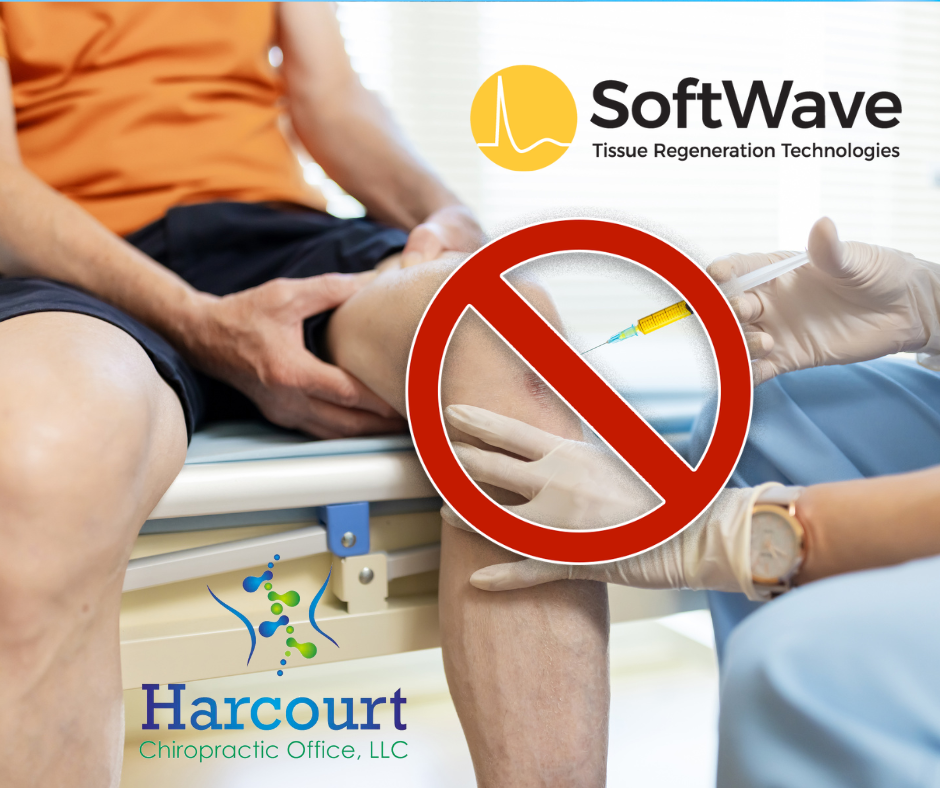
SoftWave vs. PRP and Stem Cell Injections: What York, PA Patients Should Know
If you have been researching regenerative options for stubborn joint pain, tendon trouble, or a nagging injury that will not fully heal, you have probably run into a wall of unfamiliar terms. PRP. Stem cell injections. Shockwave. Regenerative therapy. They all promise to help your body repair itself, but they work in very different ways, and the differences matter when you are deciding how to spend your time and money. Here in York, PA, patients frequently ask how SoftWave TRT compares to injection-based treatments they have read about or seen advertised. It is a fair question, and it deserves a clear, honest answer.
At Harcourt Chiropractic Office, Dr. Gary Harcourt helps patients understand their options so they can make an informed choice rather than a rushed one. This article walks through how SoftWave TRT differs from PRP and stem cell injections, where each approach fits, and why some people prefer a non-invasive path that needs no needles, no harvesting, and no downtime. The goal is not to declare a winner. The goal is to help you understand the landscape so a consultation can point you toward the approach that makes the most sense for your body and your situation.
The Big Picture: Two Different Philosophies
PRP, stem cell injections, and SoftWave TRT all share one underlying idea. Each is designed to support the body's own repair processes rather than simply mask symptoms. Where they part ways is in how they try to reach that goal.
Injection-based therapies deliver something into the body. PRP, or platelet-rich plasma, involves drawing your own blood, concentrating the platelets and growth factors in a centrifuge, and injecting that concentrate into the target area. Stem cell injections follow a similar logic, harvesting cells (often from bone marrow or fat) and delivering them by needle to the site of injury.
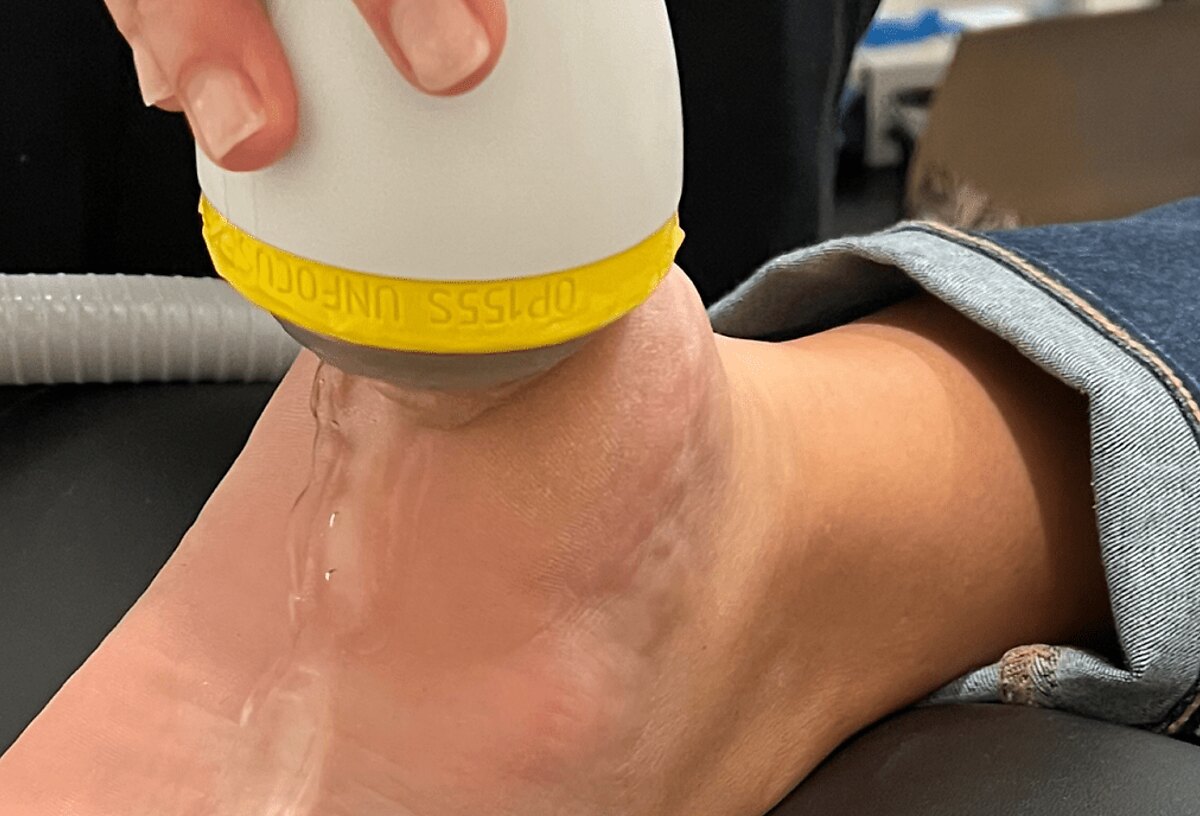
SoftWave TRT takes the opposite route. Instead of introducing material from the outside, it uses acoustic wave energy applied through the skin to stimulate resources your body already has in place. There is no blood draw, no processing, and no injection. The therapy works from the outside in, prompting your own resident stem cells and blood flow to respond.
How SoftWave TRT Works
SoftWave TRT uses electrohydraulic, spark-generated acoustic waves delivered through a patented parabolic reflector. This design produces broad-focused waves, meaning the energy spreads across a wide area rather than concentrating on a single narrow point. It is the only broad-focused shockwave technology, which sets it apart from radial, electromagnetic, and piezoelectric focused devices. These waves penetrate deep into tissue and are designed to trigger the body's natural healing cascade.
Here is what that cascade looks like in plain language:
- Resident stem cell activation: The waves are designed to signal the stem cells already present in your tissue, encouraging them to activate and migrate toward the area that needs repair.
- New blood vessel formation: Through growth factors such as VEGF and eNOS, SoftWave supports angiogenesis, the creation of new blood vessels that carry oxygen and nutrients into the region.
- Cell proliferation and collagen support: The therapy is designed to encourage cells to multiply and to support the collagen framework that healthy tissue depends on.
- Inflammation modulation: Rather than simply shutting inflammation off, SoftWave helps regulate the inflammatory response so healing can move forward.
- Immune signaling and cellular cleanup: It is designed to influence immune signaling (including toll-like receptors) and to help clear out aged, senescent cells that can slow recovery.
Notice that every one of these actions relies on your own biology. Nothing is added. The therapy is a stimulus, and your body does the rebuilding.
What a SoftWave Session Feels Like
A typical SoftWave session runs about 10 to 15 minutes. There are no needles, no drugs, no surgery, and no recovery time afterward, so most people return to their normal day right away. Care is usually delivered as a series of sessions over roughly six to eight weeks, and because the therapy sets a biological process in motion, healing often continues for weeks to months after the final visit. Many patients report noticing a change early in their care, though results vary and no single outcome can be promised.
How Injection-Based Options Compare
PRP and stem cell injections have earned a place in regenerative medicine, and many patients pursue them for good reasons. They can concentrate biological material directly at a target site, which is appealing for certain conditions. It is worth understanding the practical trade-offs, however, so your expectations are realistic.
- Needles and a procedure: Both PRP and stem cell injections require needles. PRP starts with a blood draw, and stem cell approaches involve harvesting cells, sometimes through a more involved collection procedure.
- Processing steps: The harvested material typically needs to be spun, filtered, or otherwise prepared before it is injected, which adds time and complexity.
- Cost: Injection-based regenerative treatments often carry a higher price, and they are frequently not covered by insurance.
- Variable protocols: Preparation methods, concentrations, and injection techniques can differ from provider to provider, so two people receiving PRP may not receive the same thing.
- Recovery considerations: Because a needle is placed into tissue, some soreness or a short recovery window can follow.
None of this means injections are the wrong choice. For some patients and some conditions, a targeted injection may be exactly what a physician recommends. The point is simply that these are procedures, and they come with the considerations that procedures involve.
Where SoftWave Stands Apart
The most meaningful contrast is right there in the setup. SoftWave needs no harvesting and no injection. There is nothing to draw, nothing to process, and nothing to place inside the body. Instead, it stimulates your body's own repair signals from the outside. For patients who are uneasy about needles, who want to avoid downtime, or who prefer a gentler on-ramp before considering more invasive options, that difference can be significant.
SoftWave has been researched at leading institutions and is used by clinicians who work with professional and collegiate athletes. Its FDA clearances include activation of connective tissue, a temporary increase in blood flow, temporary relief of minor muscle and joint pain, treatment of chronic diabetic foot ulcers, and treatment of acute second-degree burns. Stating those clearances accurately matters, because honest information is the foundation of a good decision.
If you are weighing SoftWave against PRP or stem cell injections and are not sure which fits your goals, the smartest next step is a conversation with a provider who can examine you and explain your options. Schedule a SoftWave consultation with Harcourt Chiropractic Office in York, PA to talk through what is right for you.
Which Approach Is Right for You?
There is no universal answer. The best approach depends on your specific condition, your health history, your comfort with procedures, your budget, and your goals. Some patients start with a non-invasive therapy like SoftWave and reserve injections as a later consideration. Others may be better suited to a targeted injection from the beginning. This is a medical decision, not a marketing one, and it should not replace the advice of a qualified provider who knows your case.
That is exactly why a consultation matters. During an evaluation, Dr. Gary Harcourt can assess the source of your pain, review what you have already tried, and help you understand whether SoftWave TRT is a good match or whether another path deserves a look. You leave with clarity rather than guesswork.
Ready to Take the Next Step?
Understanding the difference between SoftWave and injection-based options is the first step, and the next one is a simple conversation about your body and your goals. Reach out today and let a York, PA provider help you choose the path that fits you best.
Request your SoftWave Therapy new patient visit online today
Contact Harcourt Chiropractic Office
Harcourt Chiropractic Office
1630 West Market Street
York, PA 17404
Phone: (717) 843-2542
Our Main Office Website: https://yorkrelief.com/
‹ Back