
Blog
SoftWave Therapy vs. Surgery: A Non-Surgical Path for Chronic Joint and Back Pain

Weighing Surgery for Chronic Joint or Back Pain in York, PA? Consider a Non-Surgical Option First
When chronic joint or back pain refuses to let go, the conversation often turns toward orthopedic surgery. It is a reasonable place to look, and for some conditions surgery is genuinely the right and necessary answer. Still, many people in York, PA feel uneasy about committing to an operation, a hospital stay, and a long recovery before they have explored every reasonable non-invasive option. If that describes you, it is worth understanding where a regenerative approach like SoftWave Tissue Regeneration Technology (TRT) fits into the picture.
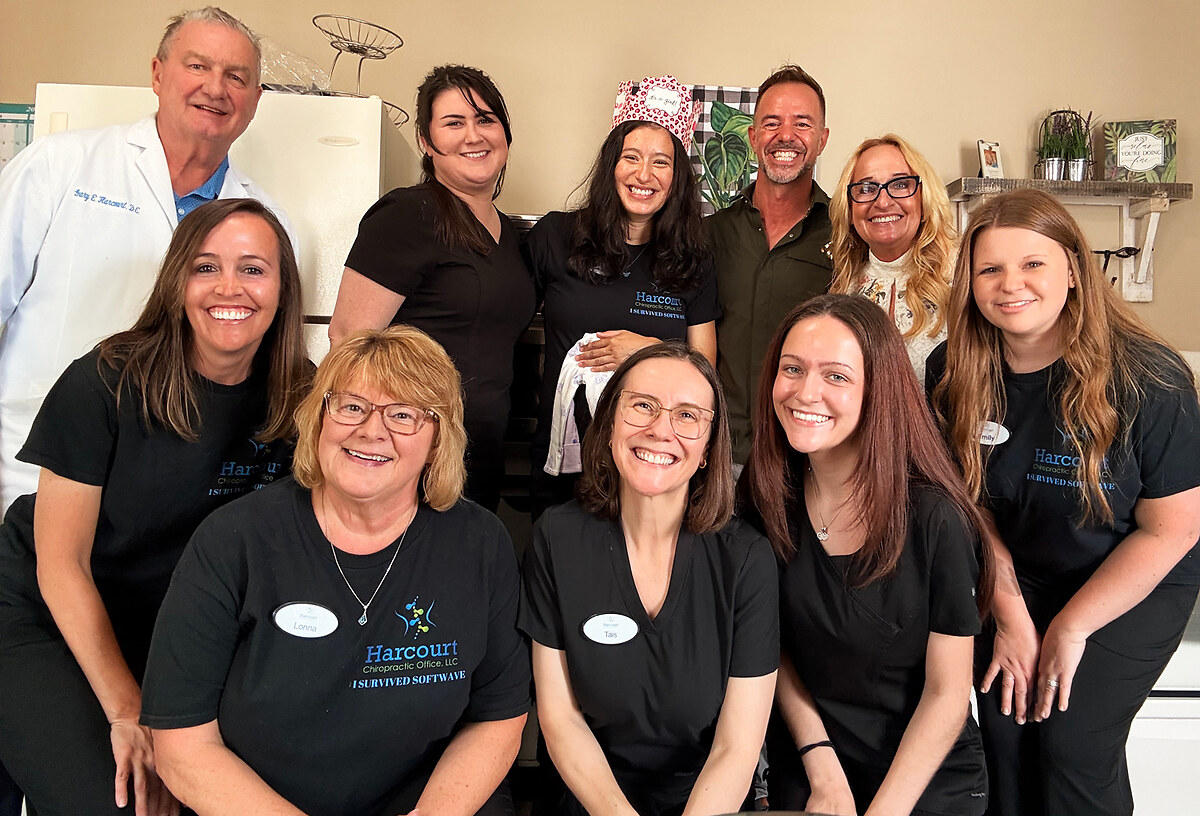
At Harcourt Chiropractic Office, Dr. Gary Harcourt works with patients who are trying to make a thoughtful decision about their care. SoftWave TRT is a non-invasive therapy designed to support the body's own healing response, and for appropriate cases it can be a sensible step to consider before or instead of surgery. This article compares the two paths on the things patients actually ask about: how invasive each is, what recovery looks like, the risks involved, and the cost measured in time. The goal is not to argue against surgeons. It is to help you understand your choices so you and your providers can decide what fits.
Two Different Philosophies of Repair
Orthopedic surgery is fundamentally mechanical. It repairs, removes, replaces, or stabilizes a structure: trimming torn cartilage, fusing vertebrae, replacing a worn joint, or decompressing a nerve. When a structure is truly beyond biological repair, that mechanical fix can be exactly what is needed, and it can be life changing.
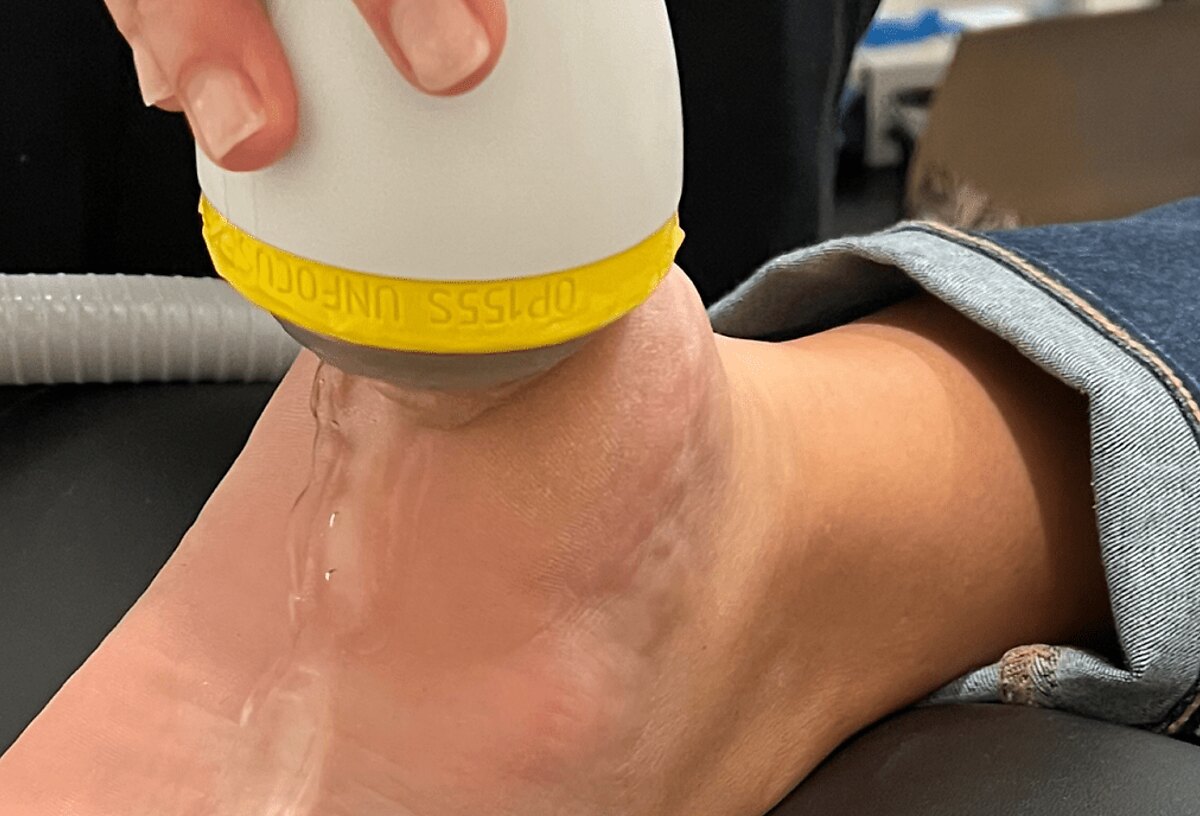
SoftWave TRT works from a different starting point. Instead of altering the anatomy, it aims to improve the tissue environment so the body can do more of its own repair. SoftWave uses electrohydraulic, spark-generated broad-focused acoustic waves delivered through a patented parabolic reflector. It is the only broad-focused shockwave technology, distinct from radial, electromagnetic, and piezoelectric focused devices. That broad, unfocused coverage lets the energy reach a wide area of tissue and penetrate deep enough to trigger the body's natural healing cascade. It is part of the OrthoGold device family.
Neither philosophy is automatically superior. They simply solve different problems. The key is matching the tool to the situation, which is why an honest assessment matters so much.
Invasiveness: Incisions Versus Zero Downtime
The most obvious difference is what happens to your body during treatment. Surgery, even a minimally invasive arthroscopic procedure, involves incisions, anesthesia, and some degree of controlled trauma to tissue that then has to heal. That is not a criticism. It is simply the nature of an operation.
SoftWave sits at the opposite end of the spectrum. There are no needles, no drugs, no incisions, and no surgery. A typical session runs about 10 to 15 minutes, and you walk in and out on the same visit and return to your day. For patients who are anxious about going under anesthesia or who cannot easily arrange time off, that difference alone is meaningful.
Recovery and the Cost of Time
Recovery is where the two paths diverge the most. Surgical recovery can involve immobilization, physical therapy, restrictions on lifting or driving, and weeks or months before a full return to normal activity. For working adults and active parents in York, that downtime carries a real cost in missed work, canceled plans, and help you have to ask for at home.
SoftWave is designed to avoid downtime entirely. Treatment is typically delivered as a series of sessions over roughly 6 to 8 weeks, and there are no post-session activity restrictions built into the therapy itself. Importantly, the biological response does not stop when the sessions do. Because SoftWave is stimulating your own healing processes, many patients continue to notice change in the weeks and months after the final session. Some people report a difference after the first session, though that is never something anyone can promise you.
Risk: A Frank Comparison
Every intervention carries some risk, and being honest about it is part of responsible care. Surgery involves the known risks that come with anesthesia, infection, blood clots, scar tissue, and the possibility that the outcome does not fully match the hope. Skilled surgeons manage these risks well every day, and for the right condition the benefit clearly outweighs them.
SoftWave's risk profile is low by comparison because nothing is cut, injected, or removed. It is non-invasive and drug-free, which appeals to patients who want to avoid medication or who are not good candidates for surgery. That said, low risk is not the same as universal benefit. SoftWave is not appropriate for every problem, and it is not a replacement for surgery when surgery is genuinely required. Some conditions, such as certain fractures, severe structural instability, or advanced joint destruction, need surgical care, and no responsible provider would suggest otherwise.
How SoftWave Helps at the Tissue Level
What makes SoftWave more than simple pain masking is that it is designed to address the underlying tissue environment rather than only the symptom. The acoustic waves are intended to prompt a cascade of biological activity that supports repair.
- Stem cell activation: designed to help wake up and recruit the body's resident stem cells toward the treated area.
- Angiogenesis: may support the formation of new blood vessels through growth factors such as VEGF and eNOS, improving local circulation.
- Cell proliferation and collagen support: intended to encourage the tissue building that healthy repair depends on.
- Inflammation modulation: designed to help calm and regulate the inflammatory response.
- Immune signaling and cell cleanup: may help regulate immune signaling through toll-like receptors and support clearance of aged, senescent cells.
SoftWave is FDA-cleared for the activation of connective tissue, a temporary increase in blood flow, and temporary relief of minor muscle and joint pain, as well as for the treatment of chronic diabetic foot ulcers and acute second-degree burns. The technology has been studied at leading institutions and is used by clinicians who work with professional and collegiate athletes.
If you are staring down a surgery date but wondering whether a non-invasive step is worth trying first, this is exactly the moment to get a professional opinion on fit. Reach out to Harcourt Chiropractic Office to see whether SoftWave TRT makes sense for your situation.
Deciding What Is Right for You
The most important point is that this is not a contest with a single winner. Surgery and SoftWave answer different questions, and the smart move is to understand which one your body actually needs. For appropriate cases, especially chronic joint and back pain that has not responded to rest, medication, or basic therapy, trying a non-invasive regenerative option before committing to an operation is a reasonable and often preferable sequence.
Dr. Gary Harcourt helps patients sort through exactly this. A thorough evaluation can clarify whether your condition is a good candidate for SoftWave, whether it is one that truly calls for surgical care, or whether a combination and careful timing serve you best. That kind of honest guidance is worth having before any irreversible decision.
Ready to Take the Next Step?
If chronic joint or back pain has you weighing surgery, give yourself the benefit of a clear, non-invasive option to consider first. A conversation costs you nothing and could change the path you take.
Request your SoftWave Therapy new patient visit online today
Contact Harcourt Chiropractic Office
Harcourt Chiropractic Office
1630 West Market Street
York, PA 17404
Phone: (717) 843-2542
Our Main Office Website: https://yorkrelief.com/
‹ Back