
Blog
SoftWave Therapy vs. Traditional Physical Therapy: How They Work Together

SoftWave Therapy vs. Traditional Physical Therapy: Do You Have to Choose?
If you live in York, PA and you have been dealing with a nagging injury, chronic joint pain, or a slow-healing area that just will not turn the corner, you have probably asked a familiar question: what is the right kind of care? For many people, the conversation starts and ends with physical therapy. That makes sense, because physical therapy is a proven, valuable part of recovery. What often gets missed is that you may not have to pick one path. Physical therapy and SoftWave Tissue Regeneration Technology (TRT) work on different parts of the healing puzzle, and when they are used together, they can complement each other in ways that a single approach cannot.
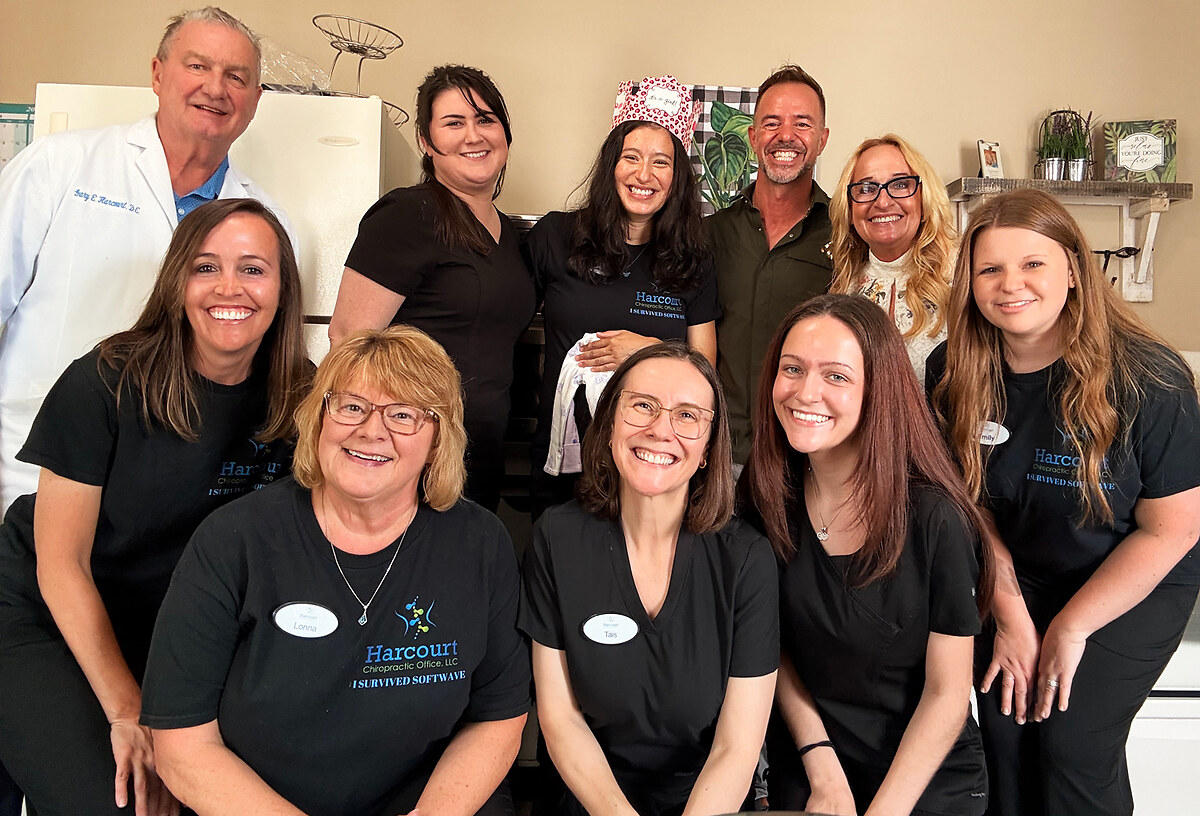
At Harcourt Chiropractic Office in York, PA, Dr. Gary Harcourt helps patients understand how these two tools fit together rather than compete. SoftWave TRT is a non-invasive therapy that uses broad-focused acoustic waves to reach deep into tissue and encourage the body's own repair processes. Physical therapy rebuilds strength, mobility, and healthy movement. This article walks through what each one does best, where they overlap, and why asking about combining them may be one of the smartest questions you bring to your next appointment.
What Traditional Physical Therapy Does Well
Physical therapy has earned its place in recovery for good reason. A skilled physical therapist evaluates how you move, identifies weaknesses and imbalances, and builds a structured plan to restore function. The goal is not just to make pain go away for an afternoon. It is to rebuild the systems that keep you moving well over the long term.
Traditional physical therapy generally focuses on several core goals:
- Strength. Targeted exercises rebuild muscles that have weakened from injury, surgery, or disuse.
- Mobility and range of motion. Stretching and guided movement help stiff joints and tight tissue move more freely.
- Movement patterns. Therapists retrain how you walk, lift, reach, and balance so you stop reinforcing the habits that contributed to the problem.
- Stability and coordination. Balance and control work reduce the risk of reinjury.
- Education. You learn how to protect the area and keep progressing at home.
These are essential outcomes. No passive treatment, on its own, teaches your body how to move correctly or builds the muscle you need to support a joint. That work has to be done actively, and physical therapy is built precisely for it. Dr. Harcourt respects the role rehab plays, and many patients who come to the office are already working with a therapist or a rehab plan of their own.
Where SoftWave TRT Fits In
Here is the part that often surprises people. Rehabilitation exercises assume that the underlying tissue is capable of healing and adapting. But when tissue is inflamed, poorly supplied with blood, or stuck in a chronic pattern, progress in the gym or on the therapy table can stall. This is where SoftWave TRT targets a different layer of the problem: the tissue healing environment itself.
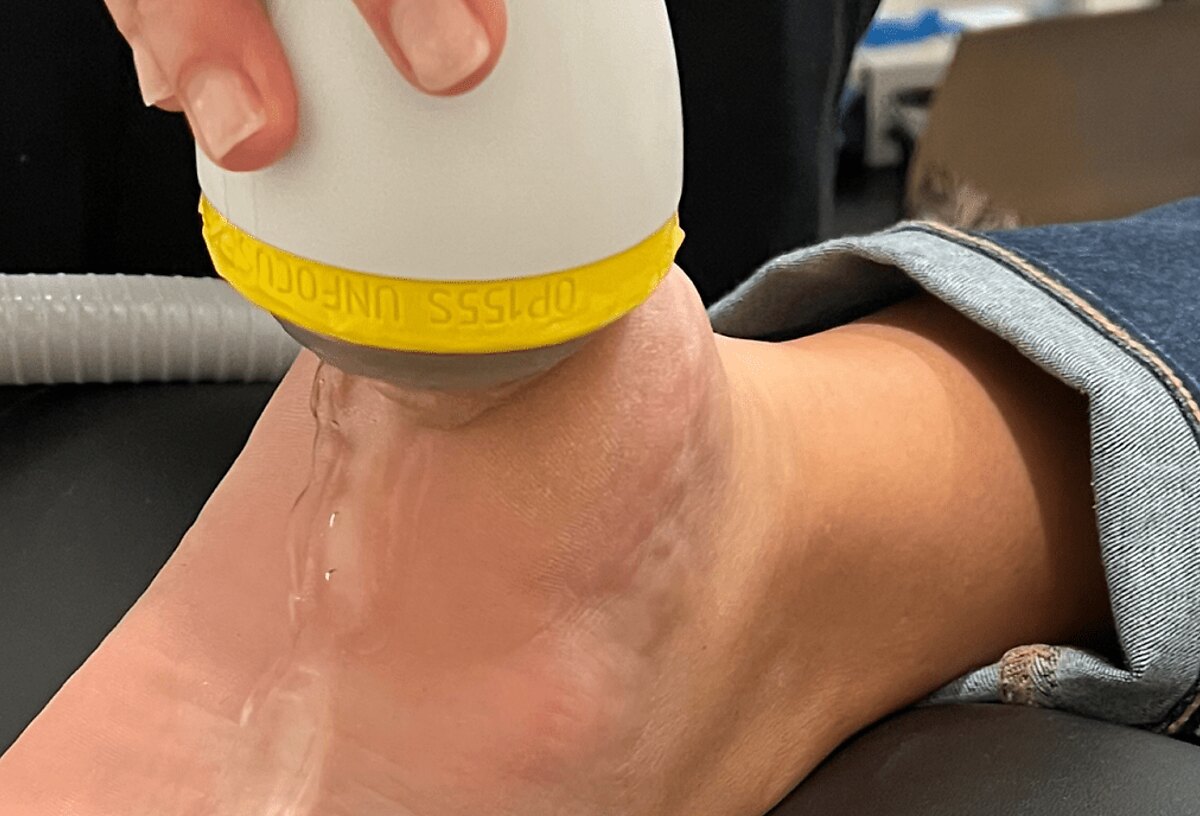
SoftWave TRT uses electrohydraulic, spark-generated broad-focused acoustic waves delivered through a patented parabolic reflector. It is the only broad-focused shockwave technology, which sets it apart from radial, electromagnetic, and piezoelectric focused devices. Instead of concentrating energy on a single tiny point, it spreads coverage across a broader area and penetrates deep to trigger the body's natural healing cascade. Rather than masking symptoms, it is designed to help the body do what it is already trying to do, only more effectively.
How SoftWave Helps: The Science in Plain Language
The mechanisms behind SoftWave TRT are what make it such a useful partner to rehab. In simple terms, the therapy is designed to support:
- Resident stem cell activation. It encourages the body's own repair cells to wake up and migrate to areas that need attention.
- New blood flow. Through growth factors such as VEGF and eNOS, it supports angiogenesis, the formation of new blood vessels, and a temporary increase in circulation.
- Tissue rebuilding. It supports cell proliferation and collagen, the building blocks of healthy connective tissue.
- Calmer inflammation. It helps modulate inflammation and regulate immune signaling.
- Cellular cleanup. It supports clearance of aged, worn-out cells so healthier tissue can take over.
Notice that none of these overlap with what physical therapy does. Physical therapy trains the muscles and joints. SoftWave works on the biology underneath them. That is exactly why they can complement each other so well.
Better Together: How the Two Support Each Other
Think of it this way. If SoftWave TRT helps create a healthier tissue environment, with better blood flow and a calmer inflammatory state, then the strength and mobility work you do in physical therapy may have a more receptive foundation to build on. Rehab gives your body the demand and the direction. SoftWave is designed to help support the raw material and the repair signals that answer that demand.
Many patients report that when pain eases, they can move more freely and get more out of their exercises. Reduced discomfort can mean better participation in a rehab program, and better participation often means better results. The two approaches are not mutually exclusive. They aim at the same finish line from different starting points.
The SoftWave experience also makes it easy to add alongside other care. Sessions are non-invasive, with no needles, drugs, surgery, or downtime, and typically run about 10 to 15 minutes. Most people go through a series over roughly 6 to 8 weeks, and the healing response can continue for weeks to months after the final session. Because there is no recovery time, it does not interrupt an active rehab schedule.
If you are in York, PA and wondering whether SoftWave TRT could support the rehab work you are already doing, the best next step is a conversation with Dr. Harcourt. Request a SoftWave consultation online and ask directly how the two approaches might fit your situation.
Questions Worth Asking Dr. Harcourt
Every case is different, which is why a personalized evaluation matters more than any general rule. When you come in, consider asking:
- Given my specific injury or condition, could SoftWave TRT support what my rehab is trying to accomplish?
- Would it make sense to combine SoftWave with my current physical therapy, or to use it at a particular stage of recovery?
- What kind of timeline and session series might fit my goals?
SoftWave TRT is FDA-cleared for activation of connective tissue, a temporary increase in blood flow, temporary relief of minor muscle and joint pain, treatment of chronic diabetic foot ulcers, and treatment of acute second-degree burns. The technology has been studied at leading institutions and is used by clinicians who work with professional and collegiate athletes. Dr. Harcourt can help you understand where it may fit within a broader plan, and where it may not, so your expectations stay realistic and grounded.
It is also worth saying clearly: SoftWave TRT is not a replacement for medical advice, and it is not a guaranteed cure for any condition. It is a tool, and like any good tool, it works best when it is matched to the right job and the right person.
Ready to Take the Next Step?
You do not have to choose between rebuilding strength and supporting the healing underneath it. If you are curious how SoftWave Therapy could work alongside physical therapy or rehab in your own recovery, let Dr. Harcourt walk you through the options in York, PA.
Request your SoftWave Therapy new patient visit online today
Contact Harcourt Chiropractic Office
Harcourt Chiropractic Office
1630 West Market Street
York, PA 17404
Phone: (717) 843-2542
Our Main Office Website: https://yorkrelief.com/
‹ Back