
Blog
SoftWave Therapy for TMJ and Jaw Pain: A Non-Invasive Option in York, PA
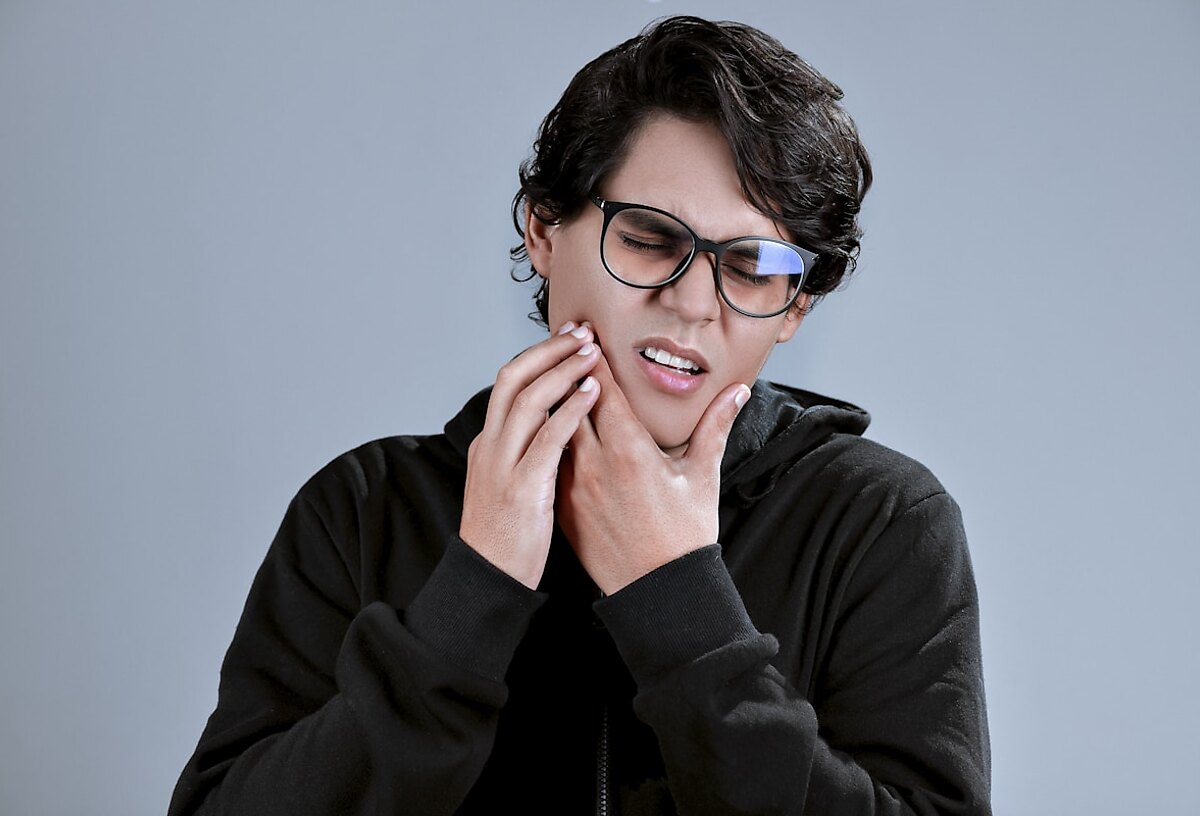
Living With Jaw Pain in York, PA? SoftWave Therapy May Offer a Non-Invasive Option
If you wake up with a sore jaw, hear a click every time you open your mouth, or feel a dull ache spreading into your temples by the afternoon, you are not alone. Temporomandibular joint dysfunction, commonly shortened to TMJ or TMD, affects a surprising number of people who never connect their headaches, ear pressure, or facial tension to the small hinge joints in front of their ears. For many, the discomfort becomes a daily companion that interferes with eating, sleeping, speaking, and concentrating.
At Harcourt Chiropractic Office, Dr. Gary Harcourt works with patients across York, PA who are searching for a gentler path forward. One of the tools he uses is SoftWave TRT, a non-invasive regenerative therapy that applies acoustic wave energy to soft tissue and muscle. For appropriate cases involving the muscular components of jaw pain, SoftWave may help ease tension and support the body's own healing processes without needles, drugs, or surgery.
Understanding TMJ and Jaw Dysfunction
The temporomandibular joints connect your lower jaw to your skull, one on each side, just in front of your ears. These joints are among the most used in the entire body. Every bite, word, yawn, and swallow depends on them working smoothly. When something disrupts that smooth motion, whether it is muscle tension, a disc problem inside the joint, clenching, grinding, arthritis, or postural strain, the result is often what patients describe as TMJ trouble.
The symptoms can be broad and sometimes confusing. Common complaints include:
- Aching or sharp pain in the jaw, cheeks, or in front of the ears
- Clicking, popping, or grating sounds when opening or closing the mouth
- A jaw that feels stiff, locks, or catches during movement
- Tension headaches, often around the temples or behind the eyes
- Ear fullness, ringing, or a sense of pressure
- Tenderness in the muscles of the face, neck, and shoulders
- Difficulty or discomfort while chewing tougher foods
Because these symptoms overlap with so many other conditions, it helps to understand what is often driving them.
The Muscular Side of Jaw Pain
While TMJ can involve the joint itself, a large share of everyday jaw discomfort is muscular. The muscles that move the jaw, including the masseter, temporalis, and the deeper pterygoid muscles, can become chronically tight and overworked. Habits like clenching during stress, grinding at night, chewing gum, poor sleep posture, and forward head posture all keep these muscles under constant strain.
When a muscle stays tense for long periods, it can develop tender knots, restrict blood flow, and pull on the joint in ways that worsen clicking and pain. That tension can radiate outward, which is why so many people with jaw problems also carry headaches and neck stiffness. Addressing the surrounding musculature and soft tissue is often a meaningful part of finding relief, and this is exactly where a therapy like SoftWave may fit for the right candidate.
What Is SoftWave Therapy?
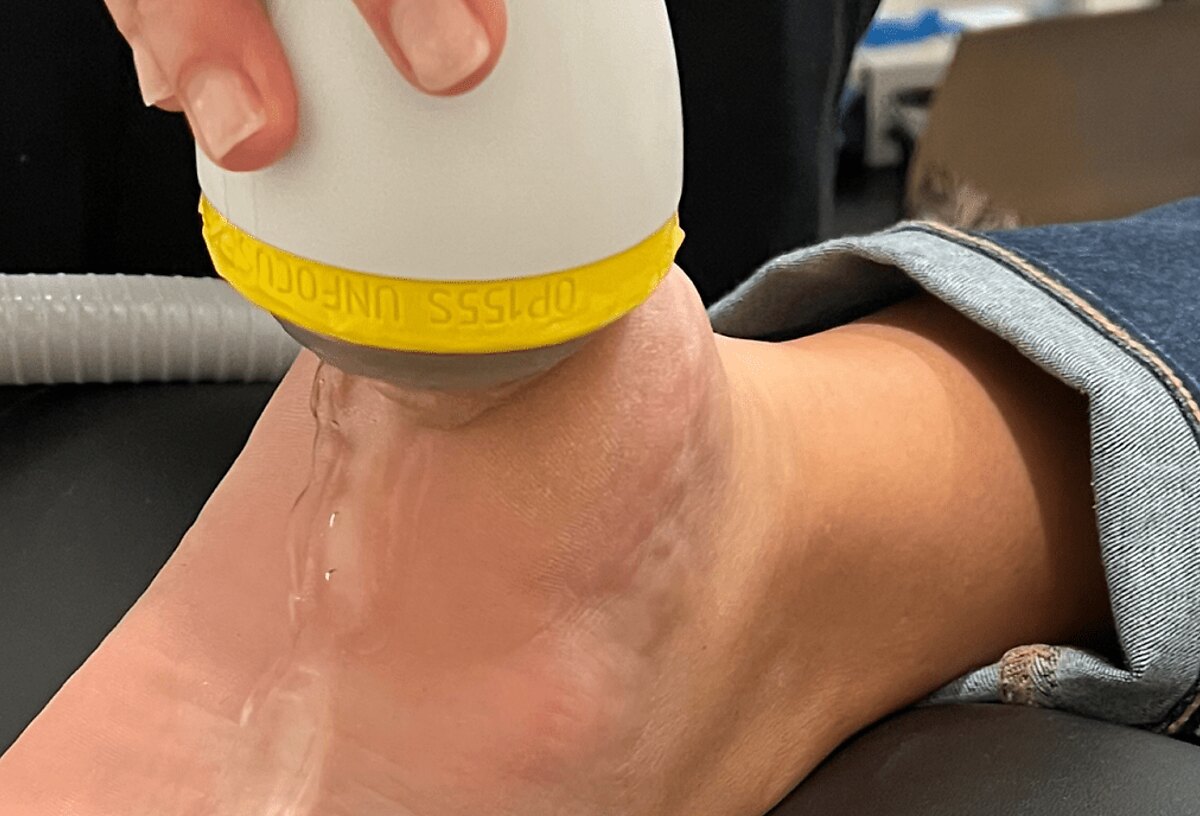
SoftWave TRT is a form of regenerative shockwave therapy. It uses an applicator that generates broad-focused acoustic waves through a patented parabolic reflector. Unlike radial, electromagnetic, or piezoelectric focused devices, SoftWave delivers unfocused, broad-coverage energy that spreads across a wider area and penetrates deep into tissue. The device family is known as OrthoGold.
The goal of these waves is not to force or manipulate the jaw. Instead, the energy is designed to reach deep into soft tissue and prompt the body's own natural healing cascade. It is a non-invasive process with no needles, no medication, and no downtime. A typical session takes only about 10 to 15 minutes, and treatment is usually provided as a series spread over roughly 6 to 8 weeks. Many patients notice change along the way, and the healing response can continue for weeks to months after the final session.
How SoftWave May Help the Jaw Area
When SoftWave is applied to the muscles and soft tissue surrounding the jaw, the aim is to relax overworked tissue and encourage a healthier local environment for recovery. In plain language, the acoustic waves are thought to influence the body in several ways:
- Activating resident stem cells and encouraging them to migrate toward areas of strain
- Supporting angiogenesis, the formation of new blood vessels, through growth factors such as VEGF and eNOS
- Producing a temporary increase in blood flow to the treated region
- Encouraging cell proliferation and collagen support in stressed tissue
- Helping to modulate inflammation and regulate immune signaling
- Assisting the body in clearing aged, worn out cells so healthier tissue can take over
Among its FDA-cleared uses, SoftWave is recognized for the activation of connective tissue, a temporary increase in blood flow, and the temporary relief of minor muscle and joint pain. For jaw discomfort that is largely muscular in nature, those effects on tension and circulation are the reason SoftWave is worth discussing with a provider.
A Responsible Look at What to Expect
It is important to set honest expectations. SoftWave Therapy is not a cure for TMJ, and results vary from person to person. Jaw pain has many possible sources, and some of them are dental or medical in nature. Problems like tooth misalignment, a damaged joint disc, systemic arthritis, or a bite issue may need evaluation by a dentist, oral specialist, or physician. SoftWave does not replace that care, and it is not appropriate for every case.
That is why a proper assessment matters so much. Dr. Harcourt takes time to understand your history, examine the muscles and joints involved, and determine whether the muscular component of your pain is a good match for SoftWave. If your situation calls for a referral or a combined approach, he will tell you plainly. The goal is a responsible plan built around your actual needs, not a one-size-fits-all promise.
If jaw pain, clicking, or tension headaches have been wearing you down and you would like to know whether a non-invasive option could help, this is a good moment to reach out. Schedule a consultation with our York, PA office to have your case evaluated.
Why Patients Choose the SoftWave Approach
Part of the appeal of SoftWave is how gentle and convenient it is compared to more aggressive interventions. There are no injections into the jaw, no prescription reliance, and no recovery period that keeps you from your day. Sessions are short enough to fit into a lunch break, and because the therapy works with your body rather than against it, most people find the experience comfortable.
SoftWave technology has been studied at leading institutions and is used by clinicians who work with professional and collegiate athletes, which speaks to its growing role in modern soft tissue care. For York area patients who prefer to explore conservative options before considering anything invasive, it represents a thoughtful first step. Combined with guidance on posture, stress, and jaw habits, SoftWave may become one useful part of a broader plan to calm an irritated jaw.
Ready to Take the Next Step?
If TMJ pain, jaw clicking, or the headaches that come with them have been part of your daily routine, you do not have to simply live with the tension. Let Dr. Harcourt evaluate whether SoftWave Therapy fits your situation and help you move toward more comfortable days.
Request your SoftWave Therapy new patient visit online today
Contact Harcourt Chiropractic Office
Harcourt Chiropractic Office
1630 West Market Street
York, PA 17404
Phone: (717) 843-2542
Our Main Office Website: https://yorkrelief.com/
‹ Back