
Blog
Non-Opioid Pain Relief: Why York Patients Are Choosing SoftWave Over Painkillers
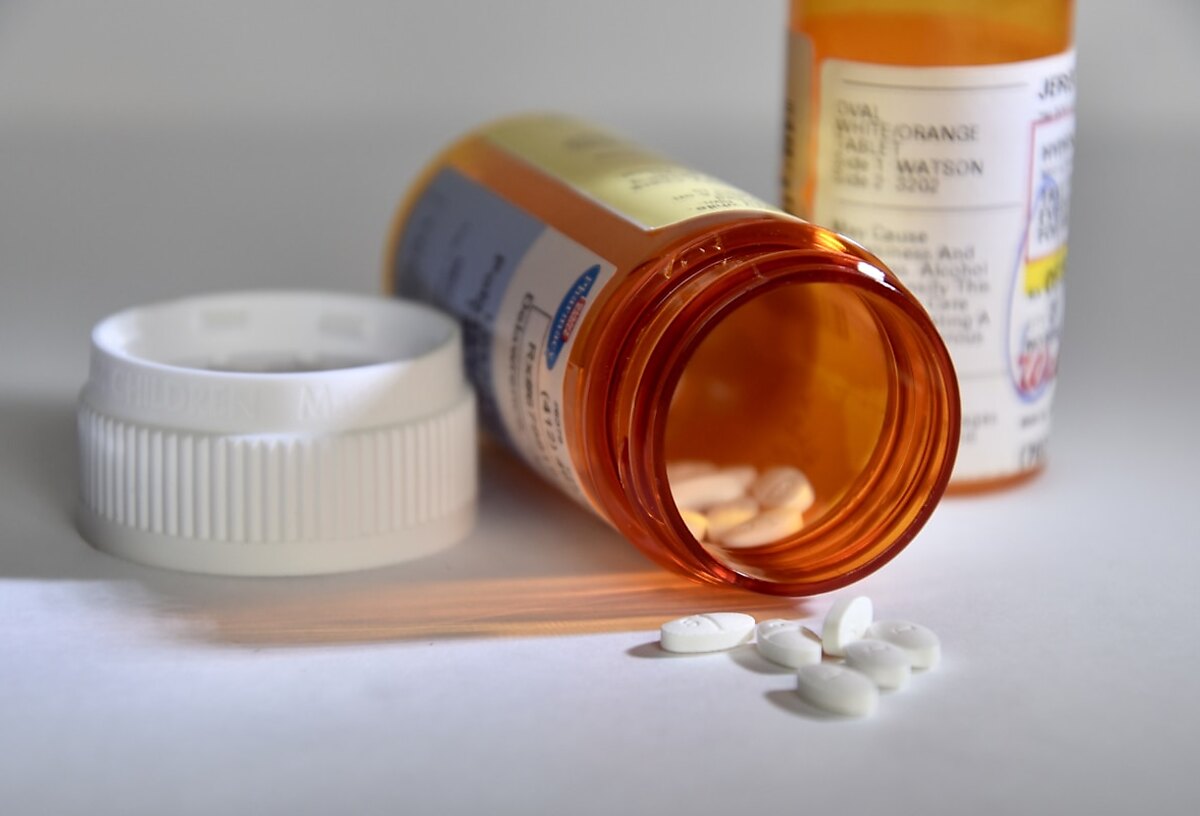
Non-Opioid Pain Relief: Why York Patients Are Choosing SoftWave Over Painkillers
If you live in York, PA and you have been managing chronic pain, there is a good chance your day includes a familiar routine: reach for a bottle, count out a pill or two, and hope the ache quiets down long enough to get through work, sleep, or an afternoon with family. Over-the-counter tablets and prescription medications have their place, and for many people they are a real part of getting by. Yet a growing number of local residents are asking a fair question. If the pain keeps coming back the moment the medication wears off, is the underlying problem actually getting better, or is it just being covered up?
That question is exactly why so many people in the York area are exploring drug-free options. At Harcourt Chiropractic Office, Dr. Gary Harcourt offers SoftWave Tissue Regeneration Technology, often called SoftWave TRT, as a non-invasive approach designed to support the body's own healing process rather than simply masking the sensation of pain. This article looks at why painkillers alone often fall short for chronic conditions, and how a therapy that targets the source of discomfort may fit into a more complete plan.
What Painkillers Do, and What They Do Not Do
Pain-relieving medications generally work by interrupting the signals your body sends or by reducing inflammation for a period of time. That can be genuinely helpful, especially after an injury or surgery, or when you need to stay functional during a flare-up. The important thing to understand is what these medications are built to do. Most of them are designed to reduce your experience of pain in the moment. They are not designed to repair a damaged tendon, rebuild worn cartilage support, or restore healthy blood flow to a stubborn area that has not healed on its own.
For an acute problem, that temporary help may be all you need while the body finishes healing. For chronic pain, the picture is different. When discomfort has lasted for months or years, the medication may quiet the symptom while the underlying tissue issue stays exactly where it was. Some people describe it as turning down the volume on a warning light without ever checking the engine.
The Downsides of Leaning on Medication Long Term
None of this is meant to sound alarmist, and no one should feel judged for using the tools available to them. It is simply worth being clear-eyed about the trade-offs of relying on painkillers as a long-term strategy:
- Symptom masking. When pain is dulled, it is easy to keep using an injured area the way you normally would, which can allow the original problem to continue or worsen without obvious warning.
- Side effects. Common over-the-counter options can affect the stomach, liver, or kidneys with heavy or prolonged use, and many prescription options carry their own list of concerns.
- Tolerance and dependence. Stronger prescription pain medications, including opioids, can carry a real risk of dependence over time, which is one reason many people and their providers are looking for approaches that reduce the need for them.
- The cycle. Because the relief is temporary, the routine repeats, and the root cause often remains unaddressed.
To be very clear, this is not advice to stop any medication your doctor has prescribed. If you are taking prescription pain medication, please keep working with the provider who prescribed it. Any changes should be made together with them. The goal here is not to remove a tool from your life. It is to explore whether adding a therapy that supports actual healing might, over time, help you rely on that tool less.
A Different Goal: Supporting Healing Instead of Hiding Pain
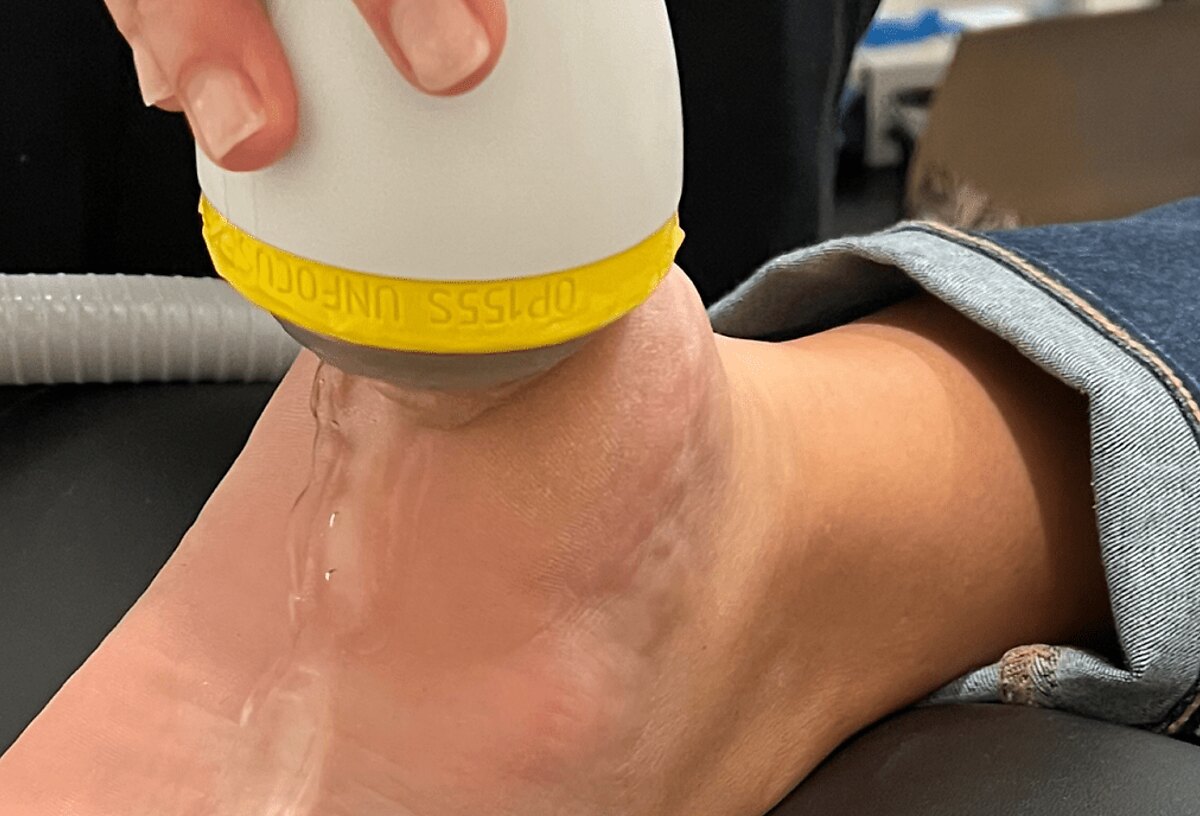
SoftWave TRT takes a fundamentally different approach. Instead of blocking pain signals, it is designed to prompt the body to do more of its own repair work in the area that hurts. SoftWave uses electrohydraulic, spark-generated acoustic waves delivered through a patented parabolic reflector. That reflector creates broad-focused waves, meaning the energy spreads out over a wide, deep area rather than concentrating on a single narrow point. SoftWave is the only broad-focused shockwave technology of its kind, which sets it apart from radial, electromagnetic, and piezoelectric focused devices. The device family used in clinical settings is known as OrthoGold.
These acoustic waves penetrate deep into tissue and are designed to trigger the body's natural healing cascade. In other words, the therapy aims to help your body address the source of the problem, which is a very different goal than covering the symptom for a few hours.
How SoftWave Helps at the Cellular Level
Here is a plain-language look at the biological responses SoftWave is designed to encourage. This is about supporting your body's own processes, not adding anything foreign to it:
- Stem cell activation. It is designed to activate resident stem cells already present in the tissue and encourage them to migrate toward the area that needs repair.
- New blood flow. It may support angiogenesis, the formation of new blood vessels, through growth factors such as VEGF and eNOS, and it is associated with a temporary increase in circulation.
- Tissue building. It is designed to support cell proliferation and collagen, which matter for the strength and resilience of connective tissue.
- Calming inflammation. It may help modulate inflammation and regulate immune signaling, including toll-like receptors.
- Cellular cleanup. It is designed to support the clearance of aged, worn-out cells so healthier tissue activity can take over.
Because these are the body's own mechanisms, the aim of a SoftWave series is lasting change in the tissue rather than a temporary chemical effect. Many patients report meaningful improvement, and it is worth noting that this technology has been studied at leading institutions and is used by clinicians who work with professional and collegiate athletes.
What a Course of Care Looks Like
One of the reasons York patients find SoftWave appealing is how straightforward the experience is. Sessions are non-invasive, with no needles, no drugs, no surgery, and no downtime afterward. A typical session runs about 10 to 15 minutes, and most people move through a series over roughly 6 to 8 weeks. Because the therapy encourages ongoing healing, the body often continues to respond for weeks and even months after the final session. Some people notice a difference early in their care, though everyone's body responds on its own timeline.
It is also honest to say what SoftWave is cleared for. Its FDA-cleared uses include activation of connective tissue, a temporary increase in blood flow, temporary relief of minor muscle and joint pain, treatment of chronic diabetic foot ulcers, and treatment of acute second-degree burns. SoftWave is not a promise of a cure, and it does not replace the advice of your medical provider. It is one drug-free tool that may complement the rest of your care.
If you are tired of the reach-for-the-bottle cycle and you want to understand whether a healing-focused approach fits your situation, the most useful next step is a conversation. You can request a consultation with Dr. Gary Harcourt in York, PA and get an honest, individual assessment rather than a one-size-fits-all answer.
Why the Local Response Has Been Strong
York residents tend to value practical, no-nonsense solutions, and SoftWave fits that mindset. It does not ask you to abandon your current care or stop a prescription on your own. It offers a way to potentially do more than manage symptoms, working alongside your existing providers with the goal of getting the underlying tissue healthier over time. For people who would rather not add another daily pill to their routine, that combination of drug-free, non-invasive, and healing-focused is a compelling reason to at least ask questions.
Ready to Take the Next Step?
If painkillers have become a daily habit and you would rather work toward real, lasting relief, it may be time to explore a drug-free option that targets the source of your pain. Talk with Dr. Gary Harcourt about whether SoftWave TRT belongs in your plan, and keep your prescribing provider in the loop as you do.
Request your SoftWave Therapy new patient visit online today
Contact Harcourt Chiropractic Office
Harcourt Chiropractic Office
1630 West Market Street
York, PA 17404
Phone: (717) 843-2542
Our Main Office Website: https://yorkrelief.com/
‹ Back